Natural Approaches to Supporting the Body Against Cancer: What You Need to Know - Part 1-clone
Natural Approaches to Supporting the Body Against Cancer: What You Need to Know - Part 1-clone
Mar 20, 2026
Cancer is one of the most feared diagnoses of our time. It touches nearly every family, often appearing suddenly and leaving many searching for answers beyond conventional treatment options.
In recent years, there has been a noticeable rise in cancer diagnoses—particularly among individuals under the age of 50. While advancements in medical science have improved detection and treatment, many are asking a deeper question:
What is contributing to this rise, and what can we do to support our bodies proactively?
My Journey: From Research to Personal Experience
My perspective on this topic is both professional and deeply personal.
With a background in healthcare research and clinical trials—supporting programs funded by organizations like NIH and global health initiatives—I’ve spent years analyzing data, evaluating outcomes, and working alongside leading scientists.
However, everything changed when cancer became part of my own story.
Like many, I began searching—not just for treatment options, but for understanding. I turned to scientific literature, clinical studies, and global research databases to explore how lifestyle, environment, and nutrition influence the body at a cellular level.
What I found was compelling:
👉 The body is not passive. It is constantly responding, adapting, and attempting to heal.
Understanding Cancer: A Complex but Influenced Process
Cancer is not caused by a single factor. However, environmental causes of cancer may include or develop through a combination of:
- Genetic predisposition
- Environmental exposures
- Lifestyle patterns (diet, stress, movement)
- Immune system function
At its core, cancer begins when normal cellular processes become dysregulated, allowing abnormal cells to grow and multiply.
The encouraging reality is this:
👉 Many of the factors that influence this process are modifiable.
The Role of Environment and Daily Exposure
Modern life exposes us to a wide range of environmental stressors, including:
- Air and water pollution
- Chemicals in food and packaging
- Synthetic compounds in personal care products
- Chronic psychological stress
Research has shown that certain environmental exposures may disrupt hormonal balance and contribute to cellular stress over time.
While it’s impossible to eliminate all exposures, reducing cumulative burden can support overall health and resilience.
Nutrition, a Foundational Tool
One of the most immediate and impactful ways to support the body is through nutrition. Interestingly, nutrition and cancer prevention lifestyle factors include:
.
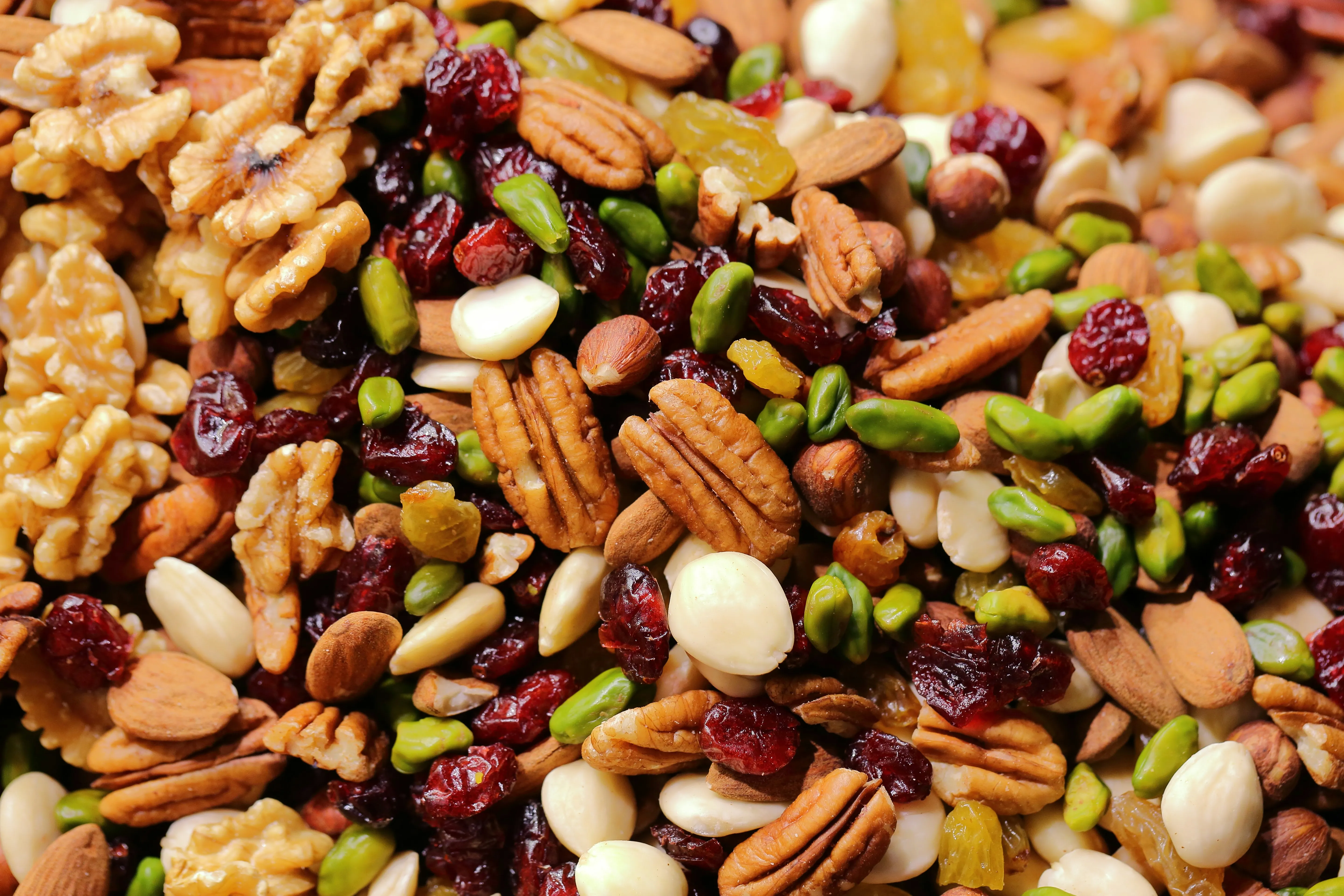
Whole, nutrient-dense foods provide:
- Antioxidants that help neutralize cellular damage
- Fiber that supports detoxification pathways
- Phytonutrients that influence inflammation and immune response
Rather than focusing on restriction alone, the goal is to nourish the body in a way that supports balance and repair.
A Holistic Perspective on Prevention and Support
There is growing interest in integrative approaches that combine conventional medical care with supportive lifestyle strategies.
These may include:
- Nutrition and dietary changes
- Stress reduction practices (meditation, breathwork)
- Movement and physical activity
- Complementary therapies such as aromatherapy and massage
These approaches are not a replacement for medical care—but they can play a meaningful role in reducing lifestyle and cancer risks by supporting the body during prevention, treatment, and recovery.

Why This Series Matters
This blog is the first in a series where we will explore:
- The science behind cancer cell growth
- The role of inflammation and free radicals
- Foods and nutrients that support cellular health
- Environmental toxins and how to reduce exposure
- Mindset, movement, and holistic cancer support and healing practices
My goal is simple:
👉 To empower you with knowledge so you can make informed, supportive choices for your health.
Final Thoughts
If you or someone you love is navigating a cancer diagnosis, it’s natural to feel overwhelmed. But knowledge creates clarity—and clarity creates options.
There is no single solution, but there are ways to support your body.
And that is where this journey begins.
It seems like every other day a friend or relative is diagnosed with cancer. And for a long time, medical doctors attributed cancer to an aging population. However, now doctors are seeing a higher number of young, under 50-year old with cancer. There are more than 100 types of cancer which can affect any part of the body and can be devastating both physically and mentally.
Next: Part 2- Understanding Cancer at the Cellular Level →
Discover related topics
- Targeted Therapy for Breast Cancer Pdf
- Herbal Drugs Used in Cancer Treatment Pdf
- Secondary Metabolites for Cancer
- Top 10 Cancers in Us
- Top 3 Cancers in the Us
📚 References (APA Style)
Anand, P., Kunnumakkara, A. B., Sundaram, C., Harikumar, K. B., Tharakan, S. T., Lai, O. S., Sung, B., & Aggarwal, B. B. (2008). Cancer is a preventable disease that requires major lifestyle changes. Pharmaceutical Research, 25(9), 2097–2116. https://doi.org/10.1007/s11095-008-9661-9
National Cancer Institute. (2023). Cancer causes and prevention. Retrieved from https://www.cancer.gov/about-cancer/causes-prevention
World Health Organization. (2020). Cancer: Key facts. Retrieved from https://www.who.int/news-room/fact-sheets/detail/cancer
World Cancer Research Fund & World Cancer Research Fund & American Institute for Cancer Research. (2018). Diet, nutrition, physical activity and cancer: A global perspective.
Belpomme, D., Irigaray, P., Hardell, L., Clapp, R., Montagnier, L., Epstein, S., & Sasco, A. J. (2007). The multitude and diversity of environmental carcinogens. Environmental Research, 105(3), 414–429. https://doi.org/10.1016/j.envres.2007.07.002
Song, M., & Giovannucci, E. (2016). Preventable incidence and mortality of carcinoma associated with lifestyle factors. JAMA Oncology, 2(9), 1154–1161. https://doi.org/10.1001/jamaoncol.2016.0843